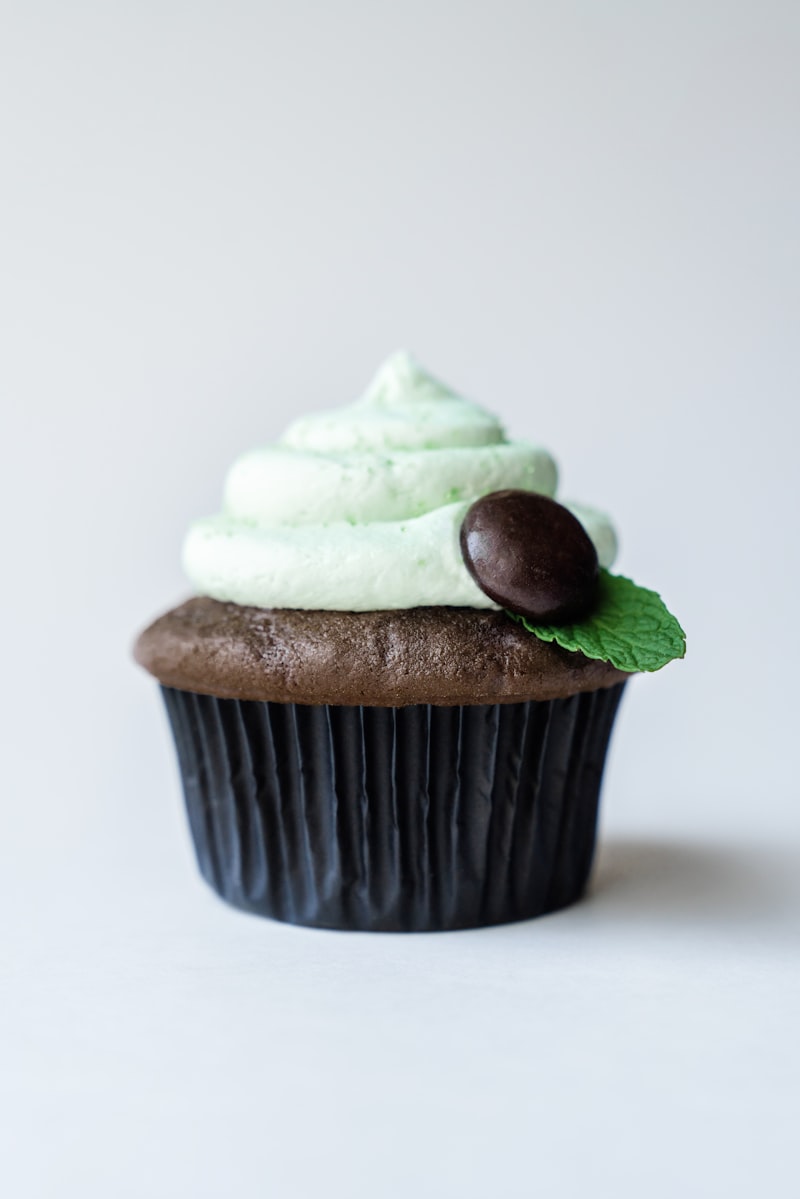
How to Make This Vegan Cupcake Recipe
About 15 minutes of active prep, 18-20 minutes of baking, and 30 minutes of cooling before frosting — about 65 minutes from start to finish.
-
1Preheat & Prep
Preheat your oven to 180°C (350°F). Line a 12-cup muffin tin with paper liners. This ensures the cupcakes bake evenly and don't stick.
-
2Make the "Vegan Buttermilk"
Stir 1 tbsp apple cider vinegar into 1 cup plant-based milk (soy or oat milk works best). Let it sit for 5 minutes until slightly curdled. This acidified milk mixture reacts with the baking soda to help the cupcakes rise and contributes to a tender crumb.
Rest for 5 minutes -
3Mix the Dry Ingredients
In a large bowl, whisk together 1½ cups all-purpose flour, 1 cup sugar, ¾ tsp baking soda, ½ tsp baking powder, and ¼ tsp salt until well combined.
-
4Combine Wet & Dry
Add ⅓ cup neutral oil, 1 tsp vanilla extract, and the vegan buttermilk mixture to the dry ingredients. Whisk just until smooth — don't overmix, or the cupcakes can turn dense.
-
5Fill & Bake
Divide the batter evenly among the liners, filling each about two-thirds full. Bake until a toothpick inserted in the center comes out clean.
Bake for 18-20 minutes -
6Cool Completely
Let the cupcakes cool in the tin for 5 minutes, then transfer to a wire rack. They must be fully cool before frosting, or the buttercream will melt right off.
Cool for 30 minutes -
7Make the Frosting
Beat ½ cup vegan butter until pale and fluffy. Gradually add 2 cups powdered sugar, 1 tsp vanilla extract, and 1-2 tbsp plant milk until light and spreadable.
-
8Frost & Serve
Pipe or spread the buttercream onto each cooled cupcake. Add sprinkles, fresh berries, or a dusting of cocoa if you like, then serve.
Tips & Variations
Little tricks to make these cupcakes even better.
Frequently Asked Questions
Common questions about this recipe.
The vinegar reacts with the baking soda to produce carbon dioxide, which helps the batter rise. It isn't a direct egg substitute — eggs also contribute structure, moisture, and binding in conventional baking, which this recipe achieves instead through the oil, plant milk, and flour ratio.
Yes — use soy, oat, or rice milk instead of almond or cashew milk, and check that your vegan butter brand is nut-free.
It's best baked right away, since the leavening reaction starts working as soon as the wet and dry ingredients combine.